A Complete Local SEO Strategy for Malaysian Small Businesses
From Google Business Profile to local citations, learn the complete local SEO strategy that helps Malaysian SMEs get found by nearby customers.
Adam Yong
RM1 Website
Local SEO Is How Malaysian Customers Find You
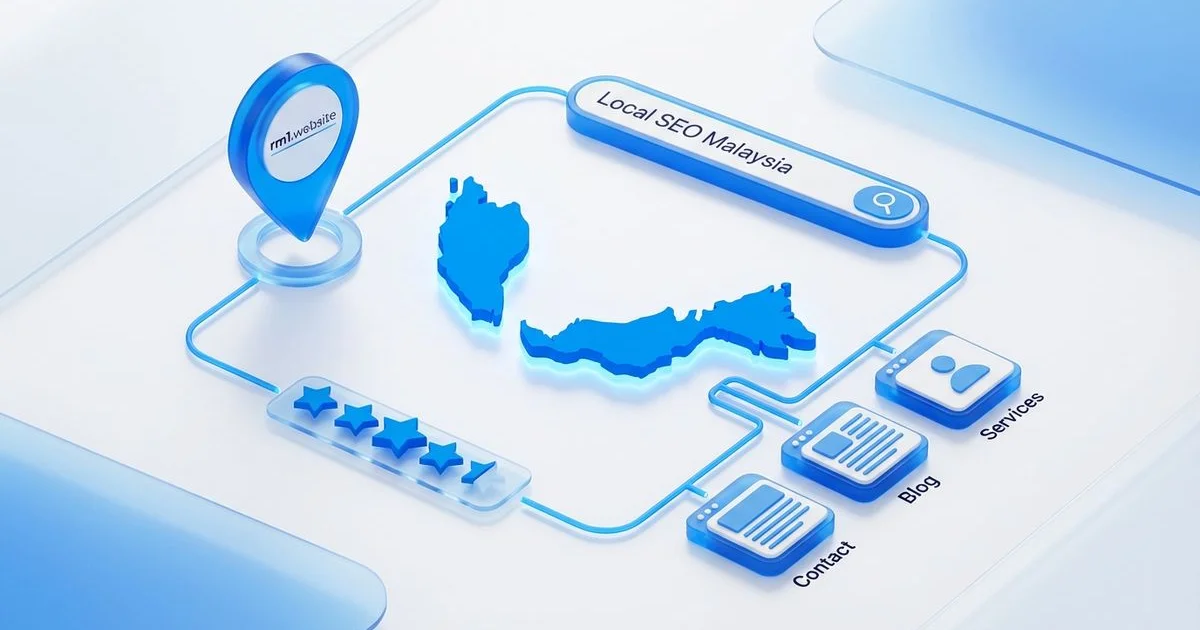
When a Malaysian consumer needs a service, whether it is a plumber, a dentist, a restaurant, or an accountant, they do the same thing almost every time: they pull out their phone and search Google. “Plumber near me.” “Best dental clinic Petaling Jaya.” “Accountant Shah Alam.” These local searches happen millions of times per day across Malaysia, and local SEO determines which businesses show up.
Local SEO is fundamentally different from general SEO. While general SEO focuses on ranking nationally or globally for broad keywords, local SEO focuses on ranking for location-specific searches within your service area. The strategies overlap, but local SEO has unique tactics and ranking factors that Malaysian SMEs must understand and implement to compete.
After 20 years helping Malaysian businesses get found online, I have refined a local SEO strategy that works consistently across industries and locations. In this guide, I am sharing the complete framework from foundation to advanced tactics so you can implement it for your own business.
Understanding How Local Search Works in Malaysia
When someone searches for a local service on Google, the search results page typically shows three distinct sections:
- Paid ads (Google Ads) at the very top
- The Map Pack (three local businesses with a map) in the middle
- Organic search results below the Map Pack
For local businesses, the Map Pack is the most valuable real estate on Google. It appears above organic results, shows your star rating, phone number, and hours, and gets the highest click-through rate of any section on the page.
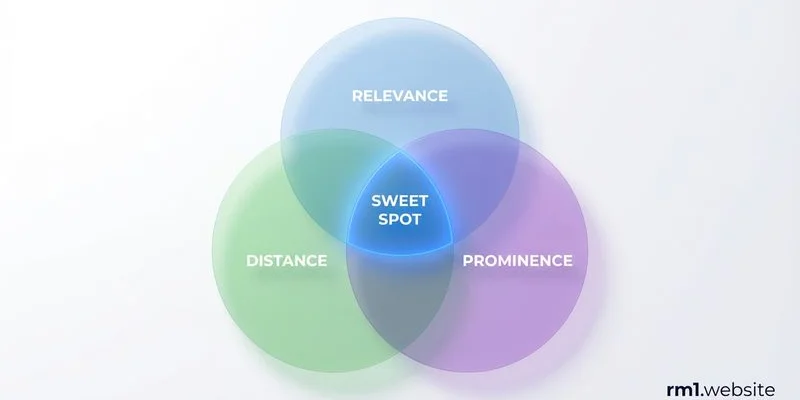
Google decides which businesses appear in the Map Pack based on three primary factors:
Relevance: How well your business matches the search query. If someone searches for “aircon repair KL” and your Google Business Profile lists “air conditioning repair” as a service category and mentions Kuala Lumpur in your service area, you have strong relevance.
Distance: How close your business is to the searcher’s location. This is why local SEO matters so much for Malaysian businesses with physical locations or defined service areas.
Prominence: How well-known and trusted your business is online. This is measured through reviews, citations, website authority, and overall online presence.
Your local SEO strategy needs to address all three factors. Let me walk you through each element.
Foundation: Your Google Business Profile
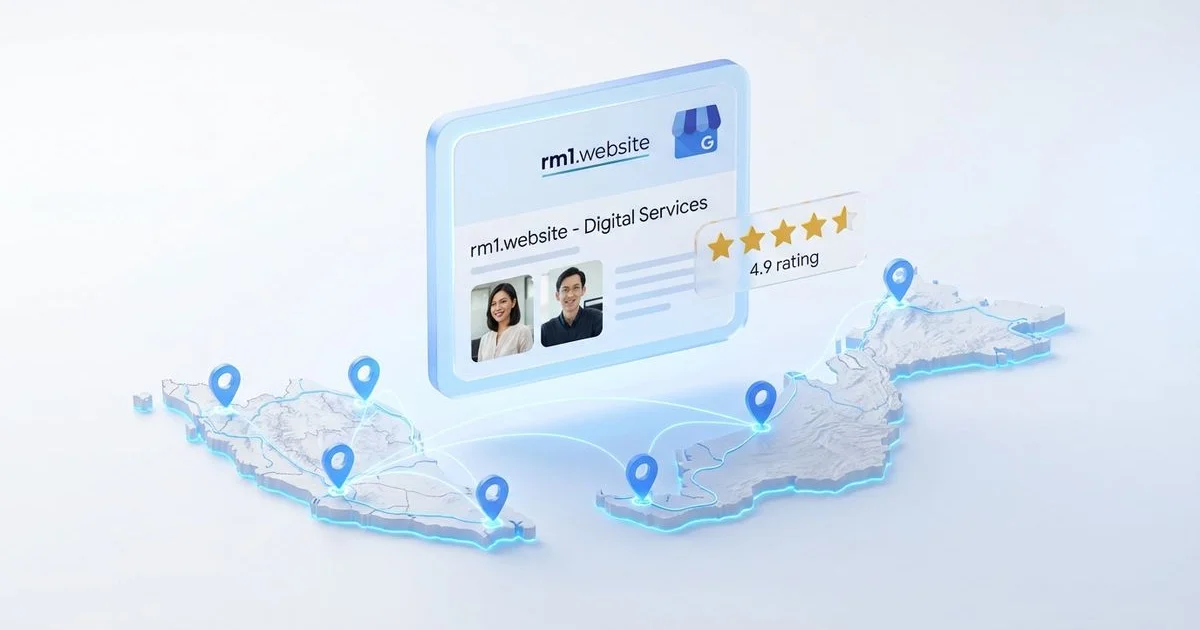
Your Google Business Profile is the cornerstone of local SEO. If you have not already set it up and optimised it fully, that is your absolute first priority. I have written a complete guide to setting up your Google Business Profile that covers every step in detail.
The key optimisation points for your Google Business Profile:
- Choose the most specific primary category available for your business
- Complete every single field in your profile (Google rewards completeness)
- Add 15 or more high-quality photos of your business, team, and work
- Write a keyword-rich business description using all 750 characters
- List all your services with descriptions and price ranges
- Set accurate business hours including special hours for holidays
- Post weekly updates to show Google your business is active
- Enable messaging for direct customer communication
The businesses that appear in the Map Pack in competitive Malaysian markets are not there by luck. They have meticulously optimised Google Business Profiles that Google trusts to recommend to searchers.
Building Local Citations
Citations are online mentions of your business name, address, and phone number (NAP). They appear on business directories, review sites, social media platforms, and industry-specific listings. Citations are a major ranking factor for local SEO because they validate your business information across the web.
Essential Malaysian citation sources:
| Directory | URL | Priority |
|---|---|---|
| Google Business Profile | business.google.com | Critical |
| Facebook Business Page | facebook.com | High |
| Yellow Pages Malaysia | yellowpages.my | High |
| Malaysia Central | malaysiacentral.com | Medium |
| Foursquare | foursquare.com | Medium |
| Yelp | yelp.com.my | Medium |
| Bing Places | bingplaces.com | Medium |
| Apple Maps | mapsconnect.apple.com | Medium |
Industry-specific citations are also valuable. If you are a restaurant, get listed on Zomato, TripAdvisor, and FoodAdvisor. If you are a lawyer, get listed on legal directories. If you are a doctor, get listed on healthcare directories like BookDoc.
The critical rule: Your NAP must be identical everywhere. Not similar. Identical. The same business name, the same address format, the same phone number. Even small differences like “Jln” versus “Jalan” or including a suite number in one listing but not another can confuse Google and weaken your citations.
Create a master NAP document and use it as your reference every time you create a new listing:
Business Name: Ahmad's Plumbing Services Sdn Bhd
Address: No. 15, Jalan SS 2/55, 47300 Petaling Jaya, Selangor
Phone: +603-7887-1234
Website: https://ahmadplumbing.com.my
On-Page Local SEO for Your Website
Your website needs to clearly communicate to Google where you are located and what areas you serve. Here is how to optimise your website for local search:
Location-Specific Title Tags and Meta Descriptions
Include your city or area name in the title tags of your key pages. Instead of “Professional Plumbing Services,” use “Professional Plumbing Services in Petaling Jaya | Ahmad Plumbing.” This makes your page relevant for location-specific searches.
LocalBusiness Schema Markup
Add structured data markup in JSON-LD format to your website’s homepage and contact page. This tells Google your exact business type, address, phone number, operating hours, service area, and more in a format it can directly process.
A properly implemented LocalBusiness schema can trigger enhanced search results with your business information displayed directly in Google. The RM1 Website Package includes comprehensive LocalBusiness schema markup configured automatically from your business information.
Dedicated Location and Service Area Pages
If you serve multiple areas, create individual pages for each location. A plumber serving the Klang Valley should have separate pages for Petaling Jaya, Shah Alam, Subang Jaya, Klang, and Kuala Lumpur. Each page should contain unique, location-specific content, not just the same text with the city name swapped out.
Good location pages include:
- Specific services available in that area
- Mention of local landmarks, neighbourhoods, or notable areas
- Response times for that location
- Local customer testimonials
- A Google Maps embed showing your service area
NAP in Footer or Contact Page
Display your full business name, address, and phone number on every page of your website, typically in the footer. This reinforces your location signals and ensures consistency with your citations.
Embed Google Maps
Add an embedded Google Map to your contact page showing your business location. This creates a direct connection between your website and Google Maps, strengthening your local SEO signals.
The Review Strategy
Google reviews are a major ranking factor for local SEO, and they also directly influence whether potential customers choose your business over a competitor. A comprehensive review strategy is essential.
Your review goals:
- Build a consistent stream of new reviews (aim for 2 to 4 per week)
- Maintain an average rating of 4.5 stars or above
- Respond to every review within 24 hours
- Encourage detailed reviews that mention specific services and locations
Review generation system:
- After every successful service or transaction, send a personalised WhatsApp message with your Google review link
- Include a review request on invoices and receipts
- Train your team to verbally ask satisfied customers for reviews
- Create a QR code business card that links to your review page
- Follow up with customers who promised to leave a review but have not
The businesses dominating the Map Pack in competitive Malaysian markets typically have 80 to 200 or more reviews with ratings above 4.5. If your competitor has 150 reviews and you have 15, that gap is a significant disadvantage that you need to close over time.
Content Marketing for Local SEO
Creating content that addresses local search queries is one of the most powerful and underutilised local SEO strategies for Malaysian SMEs.
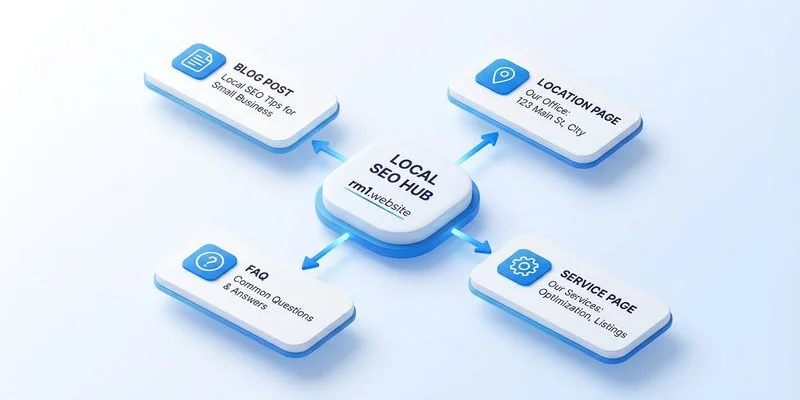
Types of local content that drive rankings:
FAQ content: Answer the questions your local customers are asking. “How much does aircon service cost in KL?” “What are the plumbing regulations in Selangor?” These queries have clear local intent and are often underserved in Google results.
Local guides: Create comprehensive guides relevant to your industry and location. “A Homeowner’s Guide to Pest Control in Malaysian Homes” or “Understanding Building Permits in Selangor” demonstrate local expertise.
Neighbourhood content: If you serve multiple areas, create content specific to each neighbourhood. Discuss local challenges, common issues, or community information related to your industry.
Seasonal content: Address seasonal topics relevant to Malaysia. “Preparing Your Aircon for Malaysian Monsoon Season” or “Year-End Tax Planning for Malaysian SMEs” capture seasonal search traffic.
Customer stories: Write case studies featuring local customers (with permission). “How We Solved a Persistent Leak in a Bangsar Bungalow” combines storytelling with local SEO keywords naturally.
Each piece of content should link to your relevant service pages and location pages, distributing authority across your website and strengthening your overall content SEO strategy.
Link Building for Local SEO
Backlinks from other websites remain one of the strongest ranking factors in SEO, and for local SEO, local backlinks carry extra weight.
Local link building strategies for Malaysian businesses:
- Join your local chamber of commerce or industry association and ensure they link to your website
- Sponsor local events and get listed on the event website
- Partner with complementary local businesses for cross-promotion and mutual linking
- Get featured in local news by providing expert commentary on topics in your industry
- Create linkable local resources that other websites would want to reference
- Guest post on local blogs or industry publications
The goal is not just any backlinks, but backlinks from websites that are relevant to your industry or your geographic area. A link from a Petaling Jaya community website is more valuable for a PJ-based business than a link from a random blog in another country.
Technical Local SEO Checklist
Beyond content and citations, there are technical elements that support your local SEO:
- Mobile-first website: Over 70% of local searches in Malaysia happen on mobile. Your site must be fast and mobile-friendly.
- Fast loading speed: PageSpeed directly affects rankings. Aim for a mobile score of 90 or above.
- HTTPS security: SSL is a ranking factor and a trust signal.
- XML sitemap: Ensure Google can discover all your pages, including location and blog pages.
- Robots.txt: Make sure you are not accidentally blocking Google from crawling important pages.
- Hreflang tags: If your site has content in both English and Bahasa Malaysia, use hreflang tags to tell Google which language each page targets.
Measuring Your Local SEO Progress
You cannot improve what you do not measure. Track these metrics monthly to gauge your local SEO progress:
Google Business Profile Insights:
- Search impressions (how often your profile appears)
- Actions taken (calls, direction requests, website visits)
- Photo views compared to competitors
Google Search Console:
- Impressions and clicks for your target local keywords
- Average position changes over time
- Pages receiving the most organic traffic
Rankings:
- Track your position in the Map Pack for your primary keywords
- Track organic rankings for location-specific keywords
- Monitor competitor movements
Conversions:
- Calls from Google Business Profile
- Website form submissions
- WhatsApp messages from website visitors
Local SEO Is a Marathon, Not a Sprint
I want to set realistic expectations. Local SEO produces results, but it takes time. Most businesses start seeing meaningful improvements within three to six months of consistent effort. The full compounding effect of citations, reviews, content, and link building typically takes 6 to 12 months to fully materialise.
But here is the good news: once your local SEO foundation is strong, it becomes a self-reinforcing system. Good rankings bring more traffic, which brings more customers, which brings more reviews, which improves your rankings further. It is a virtuous cycle.
The Malaysian SMEs that dominate local search in their industries did not get there overnight. They got there through consistent, strategic effort over months and years. With a strong foundation built on a fast website, an optimised Google Business Profile, consistent citations, growing reviews, and strategic content, your business can achieve the same results.
Start with the foundations, be consistent, and let compounding work in your favour. Your future customers are searching for you right now. Make sure they can find you.
Need a Website for Your Business?
Get a complete 15-page website for just RM1/day. No hidden fees.
WhatsApp Us